Indonesia's Humanitarian Landscape: Data You Need to Know
Lanskap Kemanusiaan Indonesia: Data yang Perlu Anda Ketahui
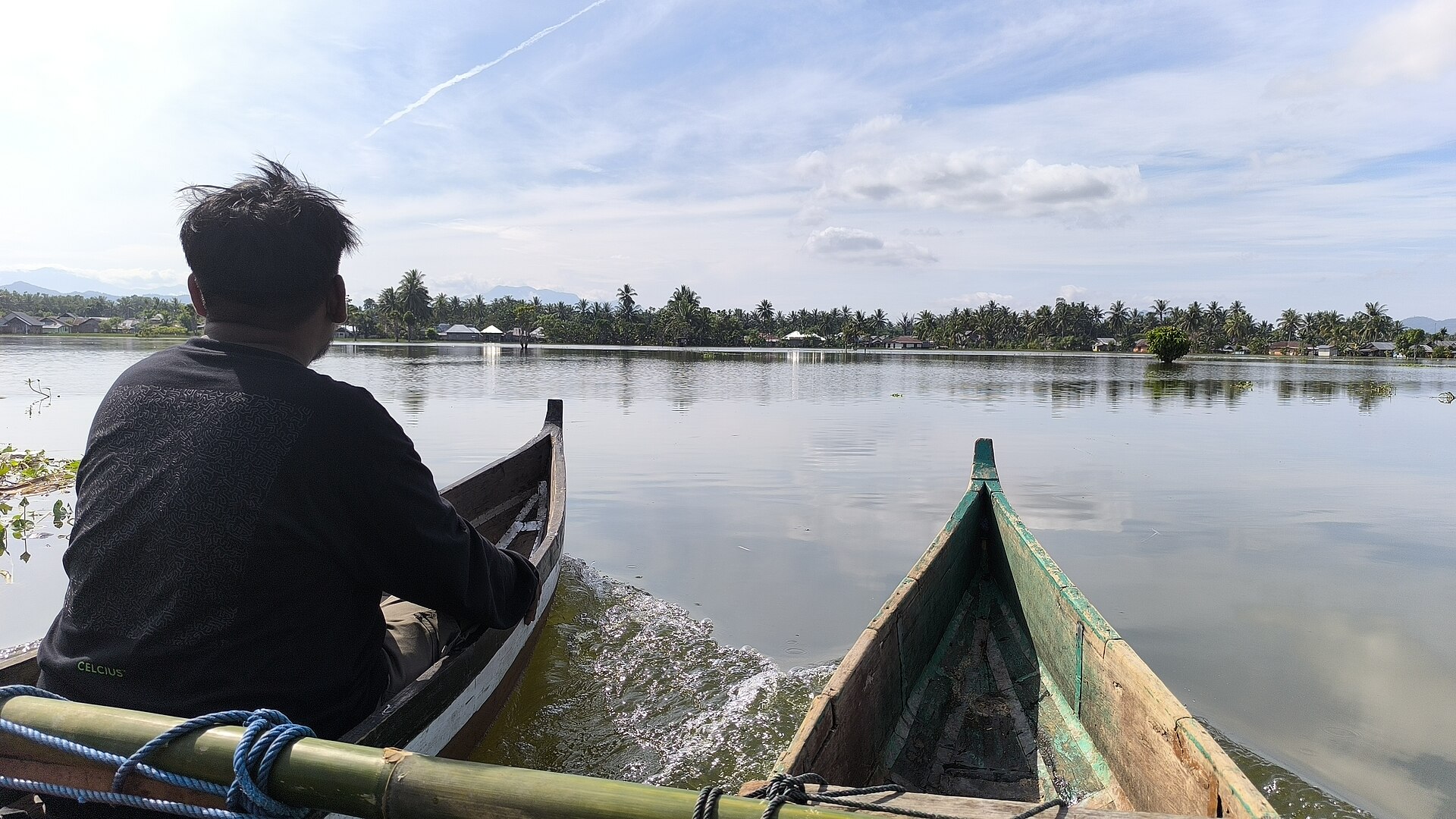
Disasters keep coming to Indonesia. Flash floods struck West Sumatra and North Sulawesi throughout 2026. Armed conflict in West Papua has forced more than 105,878 people to flee as of early 2026. Nduga Regency bears the heaviest burden, with 58,981 displaced people; Intan Jaya follows with 12,859. These figures come from Human Rights Monitor, as cited in the report The Indigenous World 2026.
Bencana terus datang di Indonesia. Banjir bandang melanda Sumatra Barat dan Sulawesi Utara sepanjang 2026. Konflik bersenjata di Papua Barat memaksa lebih dari 105.878 orang mengungsi per awal 2026. Kabupaten Nduga menanggung beban terbesar dengan 58.981 pengungsi. Intan Jaya menyusul dengan 12.859 orang. Data ini berasal dari Human Rights Monitor, dikutip dalam laporan The Indigenous World 2026.
Behind these numbers are people who have gone without food, medicine, and clean water for a long time.
Di balik angka ini ada orang yang kekurangan pangan, obat, dan air bersih dalam waktu lama.
Indonesia has the assets to respond to this crisis. The World Giving Report 2026 records Indonesia remaining above the global average in the generosity index. Religious values, gotong royong, and the habit of helping one another are the main pillars - not economic prosperity alone. Young donors give an average of 1.2 percent of their income - twice as much as donors over 55, who give 0.6 percent on average. The younger generation is taking a larger role in Indonesian generosity.
Indonesia punya modal untuk merespons krisis ini. World Giving Report 2026 mencatat Indonesia bertahan di atas rata-rata dunia dalam indeks kedermawanan. Nilai agama, gotong royong, dan kebiasaan tolong menolong menjadi penopang utama, bukan kemakmuran ekonomi semata. Donor muda memberi rata-rata 1,2 persen dari pendapatan mereka. Angka ini dua kali lipat dibanding donor berusia di atas 55 tahun, yang rata-rata memberi 0,6 persen. Generasi muda mengambil peran lebih besar dalam kedermawanan Indonesia.
Social capital alone is not enough. The same report notes that giving only has impact when the recipient institutions have strong governance and real transparency. Indonesia's humanitarian sector has experienced cases of operating permits being revoked over alleged misuse of donor funds. This still shapes public trust in philanthropic and humanitarian institutions today.
Modal sosial saja tidak cukup. Laporan yang sama menyebut kedermawanan hanya berdampak jika lembaga penerima punya tata kelola kuat dan transparansi nyata. Sektor kemanusiaan Indonesia pernah mengalami kasus pencabutan izin operasional akibat dugaan penyalahgunaan dana donatur. Kejadian ini masih memengaruhi kepercayaan publik terhadap lembaga filantropi dan kemanusiaan hari ini.
You see three things running in parallel: high humanitarian need, large social capital, and governance demands that remain largely unanswered. IHSC, the Indonesian Humanitarian Study Center, stands at the intersection of these three.
Anda melihat tiga hal berjalan bersamaan: kebutuhan kemanusiaan yang tinggi, modal sosial yang besar, dan tuntutan tata kelola yang belum terjawab penuh. IHSC, Indonesian Humanitarian Study Center, berdiri di titik pertemuan ini.
IHSC is a humanitarian study center under IIK Nahdlatul Ulama Tuban. Our focus is not on adding to the number of humanitarian institutions. Our focus is on filling the gap that has received too little attention: evidence-based research, studies on humanitarian ethics and law, and policy recommendations that can be directly implemented. All of these studies depart from Islamic values and Nusantara identity, in line with Indonesia's conditions.
IHSC adalah pusat studi humanitarian di bawah IIK Nahdlatul Ulama Tuban. Fokus kami bukan menambah jumlah lembaga kemanusiaan. Fokus kami mengisi celah yang selama ini kurang mendapat perhatian: riset berbasis bukti, kajian etika dan hukum humaniter, dan rekomendasi kebijakan yang bisa langsung dijalankan. Semua kajian ini berangkat dari nilai keislaman dan identitas Nusantara yang sesuai dengan kondisi Indonesia.
IHSC works in five fields: health in conflict and displacement, humanitarian ethics and law, disaster risk and response, humanitarian operations management, and climate change. Every study is designed to reach volunteers, health workers, academics, and policymakers.
IHSC bekerja di lima bidang: kesehatan dalam konflik dan pengungsian, etika dan hukum humaniter, risiko dan respons bencana, manajemen operasi kemanusiaan, dan perubahan iklim. Setiap kajian dirancang untuk sampai ke tangan relawan, tenaga kesehatan, akademisi, dan pembuat kebijakan.
The spirit of giving alone does not build a strong humanitarian system. You need reliable knowledge as the basis for action. That is the reason IHSC exists.
Semangat memberi saja tidak membangun sistem kemanusiaan yang kuat. Anda butuh pengetahuan yang bisa diandalkan sebagai dasar bertindak. Itu alasan IHSC berdiri.
If you are a researcher, a humanitarian organization practitioner, an academic, or a policymaker who wants to advance and elevate Indonesia's humanitarian world, let us collaborate.
Jika Anda peneliti, pegiat organisasi kemanusiaan, akademisi, atau pembuat kebijakan yang ingin memajukan dan mengharumkan dunia kemanusiaan Indonesia, mari berkolaborasi.
Sources
Sumber
- The Indigenous World 2026: Indonesia, IWGIA. https://www.iwgia.org/en/articles/iw-2026-indonesia
- The Indigenous World 2026: Indonesia, IWGIA. https://www.iwgia.org/en/articles/iw-2026-indonesia
- World Giving Report 2026, as cited in Info Filantropi Indonesia. https://infofilantropi.com/world-giving-report-2026-donasi-global-turun-indonesia-tetap-bertahan-di-atas-rata-rata-dunia/
- World Giving Report 2026, dikutip dalam Info Filantropi Indonesia. https://infofilantropi.com/world-giving-report-2026-donasi-global-turun-indonesia-tetap-bertahan-di-atas-rata-rata-dunia/
- World Generosity Index Report 2026, CEA Indonesia. https://ceaindonesia.id/laporan-indeks-kedermawanan-dunia-2026/
- Laporan Indeks Kedermawanan Dunia 2026, CEA Indonesia. https://ceaindonesia.id/laporan-indeks-kedermawanan-dunia-2026/